- Home
- Capabilities
Capabilities
Everything needed to run a network that holds up in the field
A weather station is not a product, it is a chain: sensor, logger, power, communications, database, dashboard and the person who has to act on the reading. ITD builds and supports the whole chain, so a gap in one link does not become your problem to diagnose.
What we cover
Six areas, one accountable team
We are not a single-discipline supplier. The point of ITD is that the instrumentation and the software are specified together, by people who will also be there when the site needs a visit.
Instrumentation that survives the site
Sensor selection for the conditions rather than the brochure: wind, temperature, humidity, rainfall, barometric pressure, solar radiation, soil moisture and water level. Campbell Scientific, R.M. Young and Rika instrumentation, plus custom sensor arrays where the standard build does not fit.
Dataloggers, power and communications
The unglamorous half of the job. Datalogger programming, weatherproof enclosures, solar and battery sizing that survives a week of cloud, and the cellular, radio or satellite link that gets the data off a site with no infrastructure.
Lightning detection networks
Detector siting for genuine coverage rather than nominal range, commissioning, and multi-site networks that resolve into a single operational picture instead of four separate screens.
Backend that scales with the network
Ingest, data pipelines, station provisioning, databases and hosting that keep telemetry arriving reliably and make integration with your existing systems straightforward rather than a project of its own.
Software operators actually trust
Dashboards, thresholds, alerting, user management and reporting built so somebody on shift at two in the morning can tell what is happening and what to do about it. Decisions, not just pretty graphs.
Installation, maintenance and support
Site surveys, mast and tower work, cable routing, earthing and lightning protection. Then scheduled calibration, sensor replacement and fault-finding, so the record stays defensible years after commissioning.
Our software
Built from field experience, not a feature list
Our software did not start as a product. It came out of solving the same problem repeatedly for operators who needed the data to be usable, not merely collected.
- Works with the hardware you already have Campbell Scientific, R.M. Young, Rika and custom stations, so you are not forced to replace working instruments.
- Live dashboards Current conditions across every site in one view, with the history behind each reading.
- Alerting on your thresholds Wind, rainfall, temperature, lightning distance and derived values, routed to the people who need them.
- Reporting and export Scheduled reports and raw data export for compliance and analysis.
- User management and audit Who saw what, and when, retained for incident review.
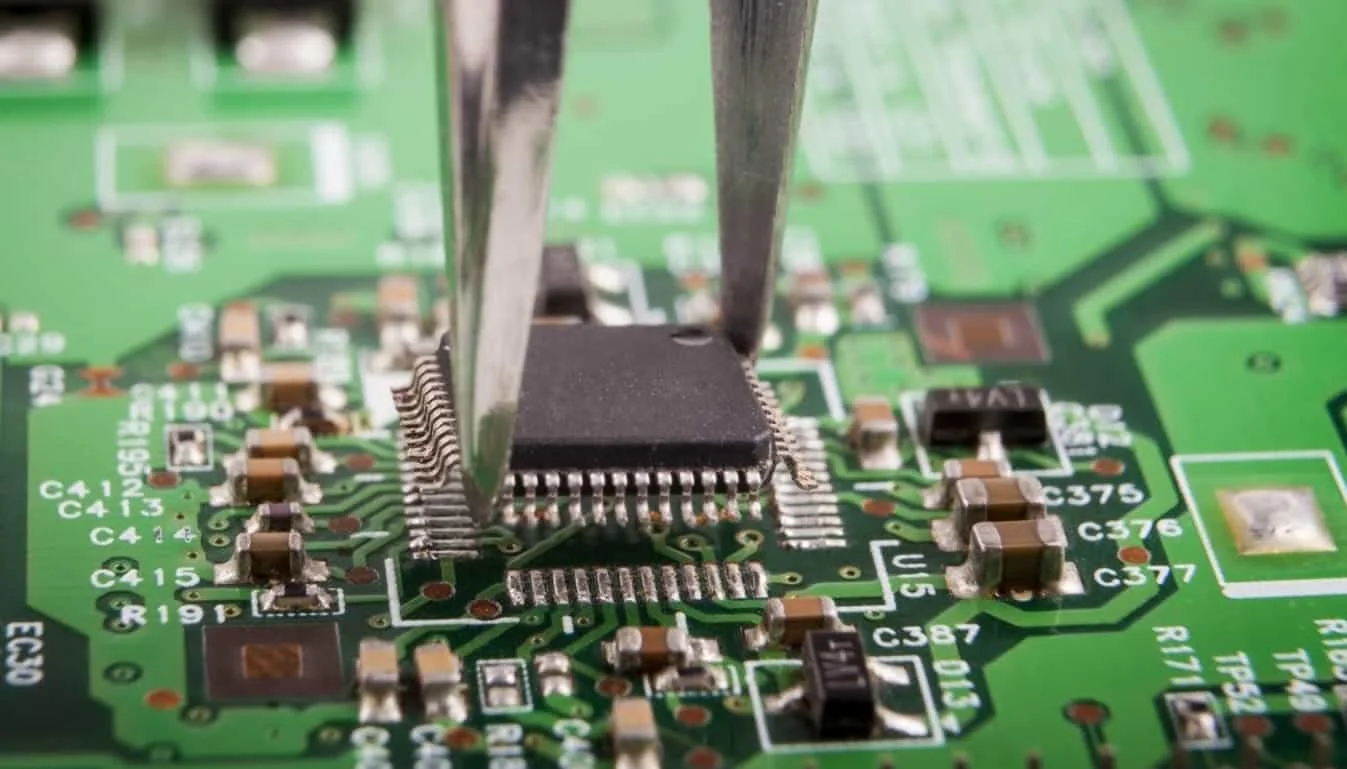
Connectivity
Low-power networks for sites with no infrastructure
Getting a reading off a remote site is often harder than taking it. We design the link around the site and the data rate it genuinely needs, rather than defaulting to a cellular router at every point.
LoRaWAN sensor networks
Long-range, low-power coverage for spread-out sensing: soil moisture, tank and water level, weather nodes and asset monitors reporting back to a gateway. We plan gateway placement for real coverage rather than nominal range, provision the devices, and run the network server and integration so readings land in your dashboard, not just on air.
Sigfox and low-throughput telemetry
For sparse, battery-critical points that send a few readings a day, a low-throughput network keeps power draw and running cost down. We deploy it where it fits and are candid where it does not, matching the technology to the reporting interval the application really requires.
Cellular, radio and satellite backhaul
Where bandwidth or near real-time delivery matters, we bring the data back over the link that suits the site, and fail over gracefully so a dropped connection buffers and catches up instead of leaving a gap in the record.
Integrated, not bolted on
Connectivity is specified alongside the sensor, the power budget and the backend, so the whole chain is sized as one system. That is where telemetry projects usually come unstuck, and where careful integration pays for itself.
Manufacturing and rapid prototyping
From a printed prototype to a machined field enclosure
Field instrumentation lives or dies on its mechanical housing. We keep prototyping and light manufacturing in-house, so a mounting idea can go from a sketch to a part on the bench in days, then to a durable production version once it is proven.
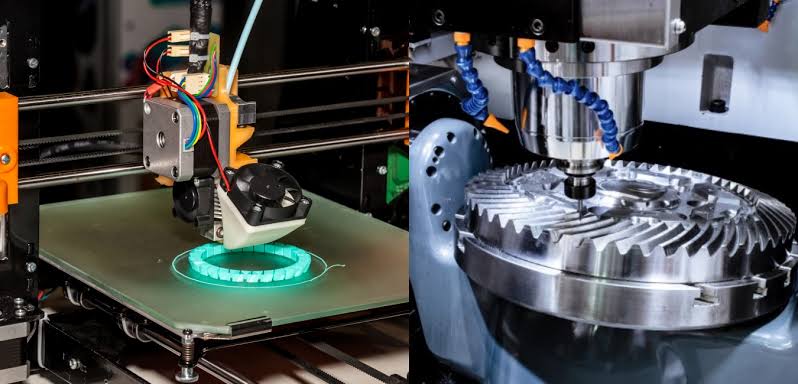
3D printing and rapid prototyping
Printed housings, sensor mounts, cable glands, jigs and fit-check models let us test a mechanical design against the real hardware before committing to metal. It shortens the loop between an idea and a part you can hold, which is exactly where field problems tend to surface.
CNC machining: brackets, masts and enclosures
Once a design is proven we machine the parts that have to survive weather, vibration and years of service: mounting brackets, mast and boom fittings, and sealed aluminium enclosures for the electronics that sit outdoors.
A note on scope
Our prototyping and manufacturing exist to support the instrumentation systems we design and deliver. ITD does not supply electronic components to the public, and we do not take on individual 3D printing, CNC machining or one-off prototyping jobs.
We work business-to-business, with government, and as a private sub-contractor on projects internationally. If that describes your organisation, we would be glad to talk.
Tell us what you need to measure
Send through the site, the parameters and what the data has to drive. We will come back with a workable approach and a clear price.